
The Ultimate Off-Grid RV Power Buyer’s Guides
We live and breathe RV life—and we know how important reliable power is when you’re off-grid. This guide is built for real RVers, van-lifers, and outdoor adventurers looking for gear that works in the real world. No fluff, no corporate speak—just tested, trusted recommendations.
Editor’s Picks: Best Gear for 2025
Compare top products and make informed decisions before you buy.
Buyer’s Guide FAQ
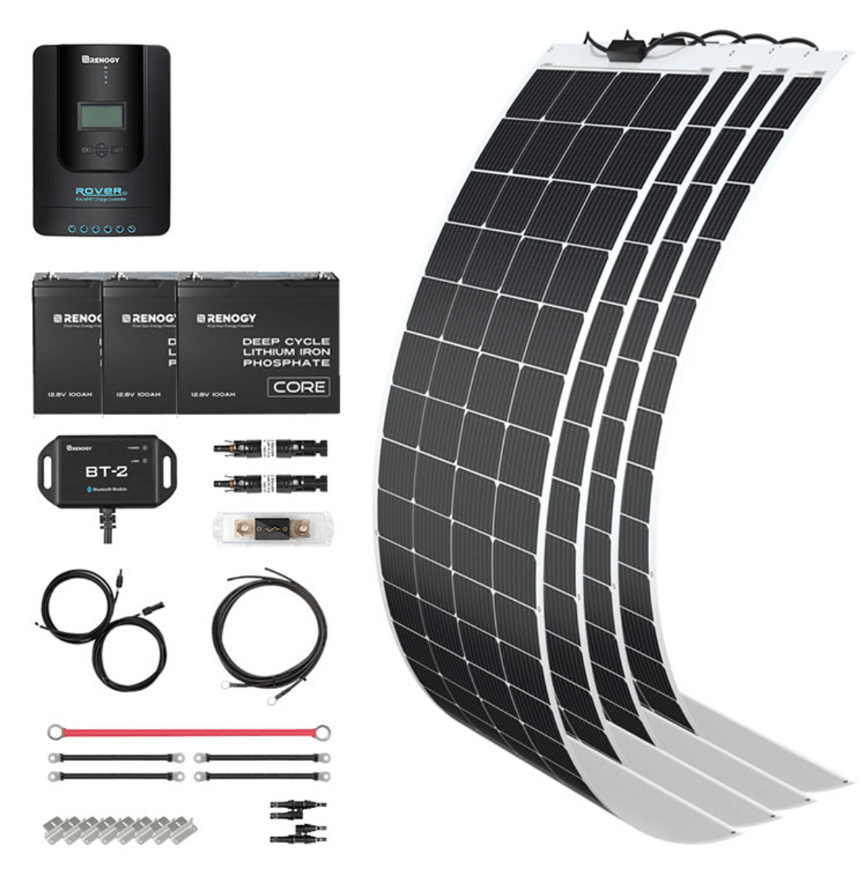
The best way to power your RV off-grid is with a complete solar power system, including solar panels, a lithium battery bank, a charge controller, and a pure sine wave inverter. This setup allows you to generate electricity from the sun, store it safely, and convert it into usable power for lights, appliances, and devices. Compared to generators, solar is quiet, clean, and cost-effective over time. Many RVers start with a 200W solar panel and a 100Ah lithium battery, then scale up as needed. You can also combine solar with a portable power station for extra flexibility.
The number of solar panels you need depends on your daily energy consumption. Most RVers need between 200 and 600 watts of solar capacity. A minimalist weekend camper may need just one 100W panel, while a full-time boondocker running a fridge, lights, and laptops may need three or more 200W panels. To estimate your needs, calculate your daily watt-hours and divide by the average solar production per panel in your region. Don’t forget to account for inefficiencies, shading, and battery size when planning your system.
Pure sine wave inverters produce clean, smooth electricity that closely matches utility power. This makes them ideal for sensitive electronics like laptops, TVs, CPAP machines, and modern appliances. Modified sine wave inverters are cheaper, but they create a choppier waveform that can cause interference, excess heat, or even damage to electronics over time. For RV use, a pure sine wave inverter is strongly recommended—especially if you’re investing in a quality off-grid system.
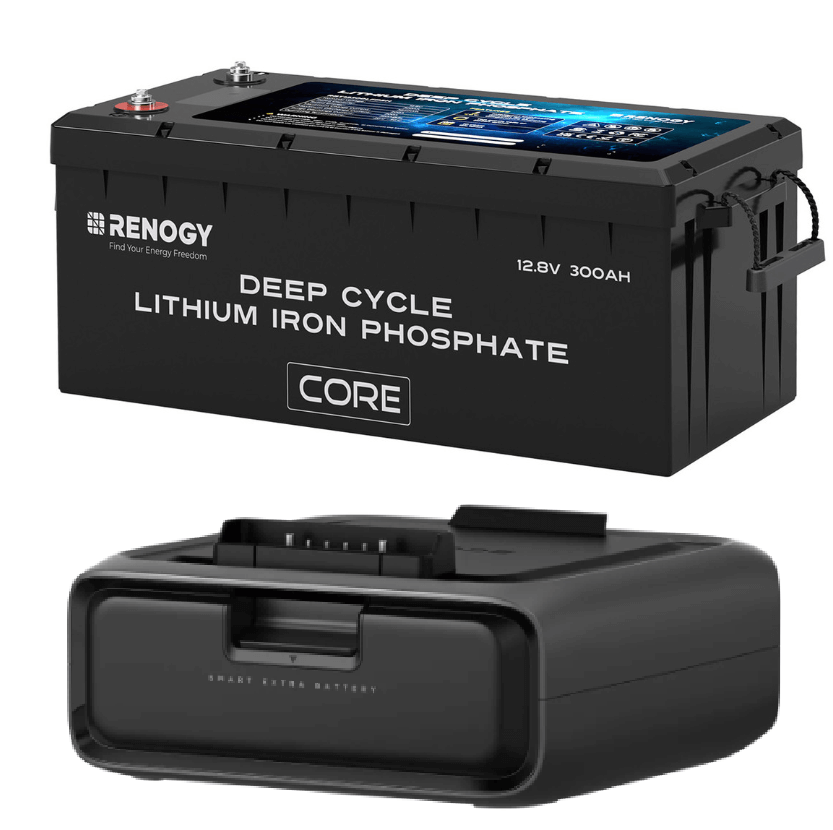
Mixing AGM (Absorbed Glass Mat) and lithium batteries in the same system is not recommended. These battery types have different voltage ranges, charging profiles, and discharge characteristics. Using them together can cause one battery to overcharge or underperform, reducing lifespan and potentially damaging your equipment. It’s best to choose one chemistry and build your system around it. Lithium iron phosphate (LiFePO4) batteries are a popular choice due to their high efficiency, long cycle life, and ability to safely discharge to lower levels.
Yes, many RV solar systems are designed with DIY installation in mind. Entry-level kits often include solar panels, a charge controller, mounting brackets, and all necessary wiring. If you’re comfortable using basic tools and following wiring diagrams, you can install most systems in a day or two. That said, larger or more complex setups with roof mounts, battery monitors, or fuse panels may benefit from professional help to ensure safety and optimal performance. Always follow proper safety precautions and use quality connectors and fuses.
Lithium batteries, especially LiFePO4 types, typically last 3,000 to 5,000 cycles—or around 8 to 12 years of regular use. In contrast, AGM batteries last about 300 to 500 cycles, which translates to 3 to 5 years. Lithium batteries can be safely discharged to 80–90% of their capacity without damage, while AGM should only be discharged to 50% to avoid premature wear. While lithium has a higher upfront cost, its lower weight, longer lifespan, and consistent voltage output make it a better long-term investment for most off-grid RVers.
Yes, but their output is reduced. On cloudy days, solar panels may operate at 10% to 25% of their rated efficiency. Shade, dust, and panel angle also affect performance. However, a properly sized battery bank can store energy from sunny days to cover periods of low generation. Using high-efficiency monocrystalline panels, MPPT charge controllers, and strategic placement can help mitigate energy loss. For best results, park in full sun and clean your panels regularly.
Yes, but you’ll need a robust system. Running high-wattage appliances like air conditioners, microwaves, or induction cooktops requires a large battery bank (typically 200Ah+ lithium), a powerful inverter (2,000 to 3,000 watts), and enough solar input to recharge. Some RVers supplement with portable generators or only use these appliances when shore power is available. If cooling is important to you, consider energy-efficient AC units and ventilation upgrades to reduce load.
For beginners, we recommend a plug-and-play solar kit with 200 watts of solar panels, a 100Ah lithium battery, a 30A MPPT charge controller, and a pure sine wave inverter. This setup can run lights, fans, water pumps, and charge electronics with ease. Look for kits that come with detailed instructions and pre-wired components. You can always expand later as your power needs grow. Start simple, get familiar with your energy usage, and build up confidence from there.